Metal or shingle is the biggest fork in a Gastonia roof decision, and it is usually argued on the wrong evidence: a neighbor's opinion, a horror story about noise, or a lifespan number quoted without its conditions. Both roofs work well in the Piedmont when they are installed well. They differ in how they age, how they fail, what they ask of the attic below, and how a repair looks ten years in.
The useful way to choose is a checklist run against your own house: how long you plan to stay, what your roof's shape looks like, what is under it, and what your street expects. Work through the points in order and the answer usually announces itself.
The two roofs, plainly described
An architectural asphalt shingle roof is a layered system of fiberglass mats coated in asphalt and surfaced with mineral granules. It is the default in this region for good reasons: crews know it deeply, repairs are simple, and a damaged section can be replaced in an afternoon with matching material. Its working life in Piedmont heat and humidity commonly runs in the range of a couple of decades, shortened by poor attic ventilation, which cooks shingles from beneath.
A metal roof, most often standing-seam steel or aluminum panels on a house, sheds water at the seams rather than across thousands of overlapping edges. It commonly serves two to three times as long as a shingle roof, shrugs off the algae streaking that marks shaded shingle roofs, and loses less performance in extreme heat. Its weak points are different: dents from large hail, noise questions that turn out to be about installation, and repairs that need a metal specialist rather than any roofer.
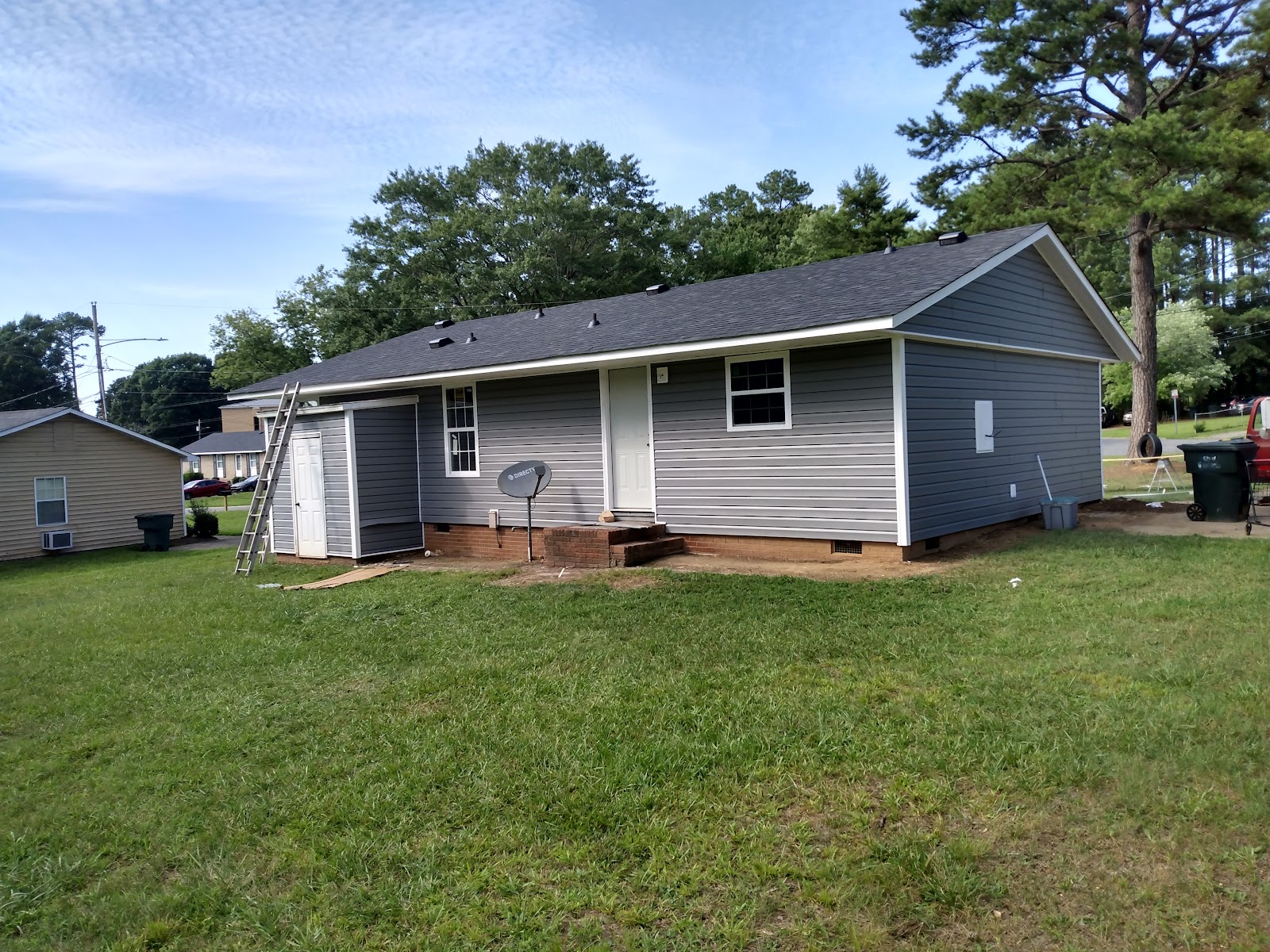
Metal vs. shingle checks for your house
- Time in the house: Planning to stay twenty years or more lets metal's long service life pay you back. Selling within a decade usually favors shingle, since the next owner collects most of metal's remaining life.
- Roof shape: Simple, steep roofs suit both. Low slopes favor metal, which handles slow-draining water better. Very cut-up roofs with many valleys raise metal's labor sharply.
- Attic heat and ventilation: A hot attic shortens shingle life from below. Fail sign for either roof: no real intake at the soffits or a bath fan venting into the attic, which must be fixed regardless of material.
- Noise expectations: Metal installed over a solid deck and attic insulation sounds much like shingle in rain. The tin-roof racket belongs to metal over open framing, which a house is not.
- Storm profile: Both handle Piedmont thunderstorms well when installed to spec. Metal resists wind uplift strongly at its seams; shingles can lose individual tabs, which are cheap and quick to replace after a storm.
- Repair reality: Any competent roofer can repair shingles. Metal repairs need matching panels and metal skills, so check that your installer will be around to service what they put on.
- Neighborhood fit: Some associations restrict metal profiles or colors. Confirm the rules before falling for either option.
Aging looks different
Shingles age by losing granules and curling at the edges, gradually and visibly, giving years of warning before leaks start. Metal ages at its fasteners and seams in exposed-fastener systems, which need periodic attention, while standing-seam systems hide their fasteners and mostly just fade slowly. In a humid, tree-covered Gastonia setting, shingles also collect algae streaks and moss in the shade, a cosmetic problem that shortens life if it is never cleaned, while metal mostly rinses itself.
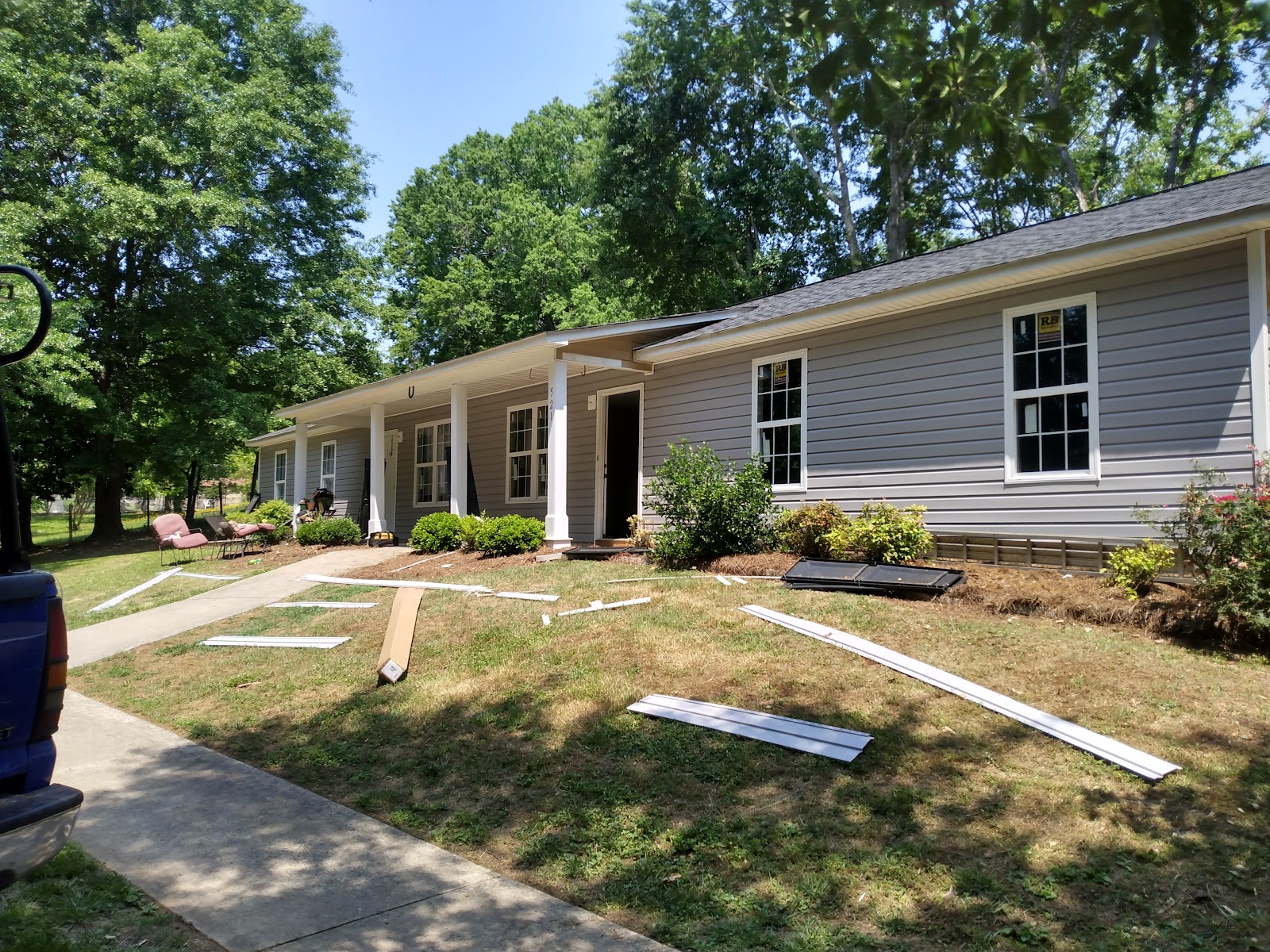
Making the call
Metal roofing and roof replacement both appear in the services at JW Roofing & Associates, which makes for a more useful estimate conversation: the same crew can price your actual roof both ways and walk the checklist against your attic and your plans, instead of selling the one material they happen to install.
One more practical check belongs on the list: weight and structure rarely decide this one. Both systems sit comfortably on a typical framed house, and any deck damage found during tear-off matters far more than the covering chosen to go back over it. Ask the estimator to confirm the deck's condition either way.
Common questions
Is a metal roof loud in a Carolina thunderstorm?
On a house, no, not meaningfully. Solid decking, underlayment, and attic insulation damp the sound to roughly what a shingle roof produces in the same rain.
Can metal go over my existing shingles?
Sometimes, depending on local code, the condition of the deck, and how many layers are present. A tear-off that exposes the deck for inspection is often the safer build.
Does metal attract lightning?
No. Metal does not raise the chance of a strike, and it is noncombustible if one occurs. The concern is a durable myth rather than a documented pattern.
Photos in this guide are representative stock images.
← All guides from JW Roofing & Associates← Back to JW Roofing & Associates