When a Gastonia roof leaks, the shingles usually take the blame and the flashing usually committed the crime. Flashing is the metal work that seals every place a roof stops being a simple slope: where it meets a chimney, a wall, a valley, or a vent pipe. Shingles shed water across open fields reliably for decades. The joints are where water gets in, and flashing is the joint.
Troubleshooting a leak, then, starts from the stain on your ceiling and works backward to the nearest joint uphill from it. Water travels, so the stain is the end of the story, rarely the start.
Reading the stain
Note where the stain sits and when it grows. A stain below a chimney corner that appears after wind-driven rain points one way. A stain in the middle of a ceiling under an open slope, after every rain, points another. A stain that grows in winter with no rain at all may not be a leak; it can be attic condensation, which is a ventilation problem wearing a leak's clothes.
In the attic, the evidence is clearer. Wet decking, dark streaks running down from a penetration, and daylight at a joint all show the entry area. Trace the wettest, highest point you can find, since water runs downhill along rafters and decking before it drops through the ceiling, sometimes several feet from where it entered.
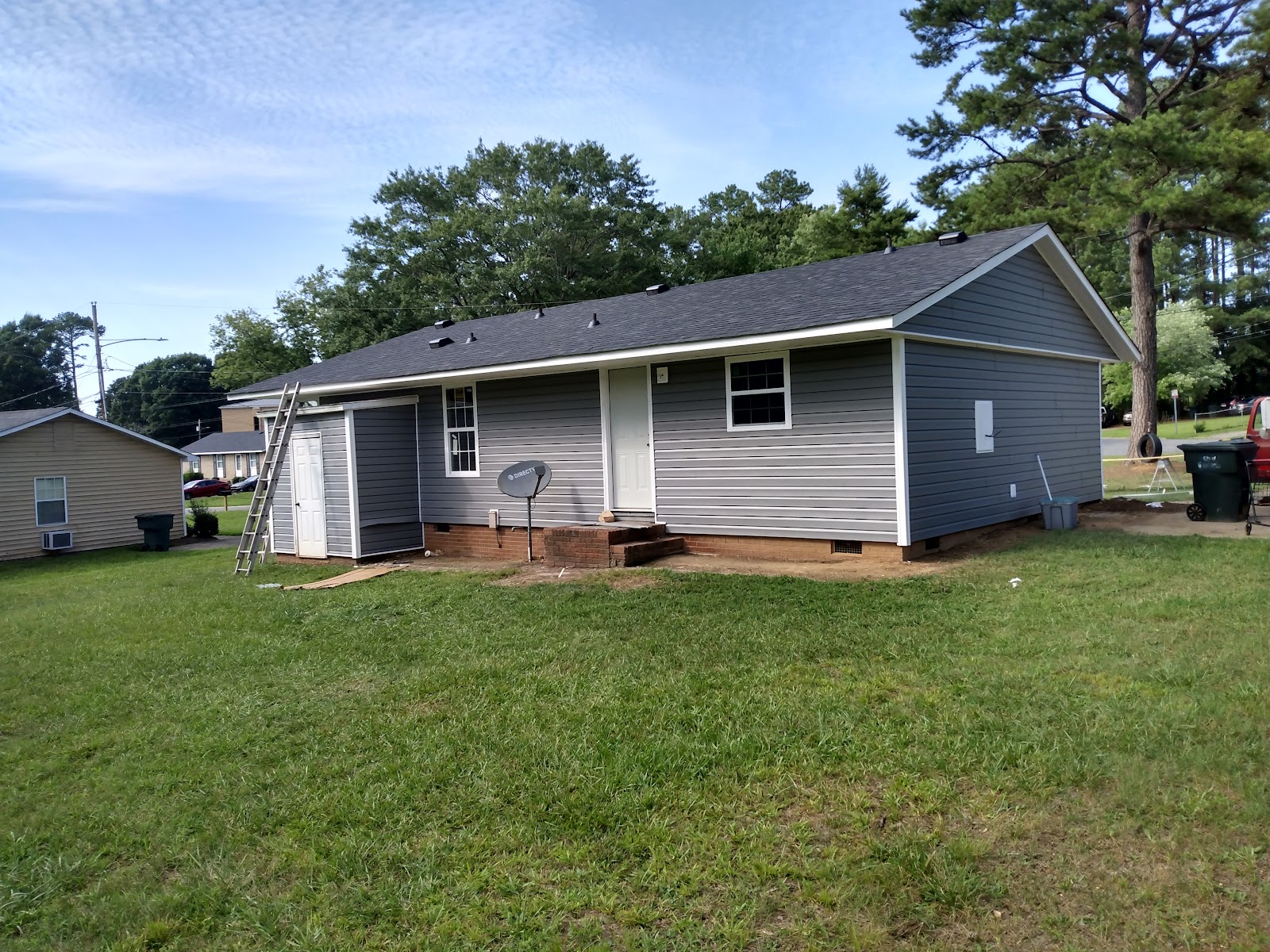
- Map the stain to the roof above it. Measure from walls in the room below and the attic above. Identify the nearest chimney, valley, wall junction, or vent uphill of that point.
- Chimney stains: suspect step and counter flashing. Step flashing is a series of small metal pieces woven with each shingle course up the chimney side. Counter flashing, set into the mortar joint, laps over it. Cracked mortar, a missing piece, or sealant used instead of proper counter flashing are the classic failures.
- Valley stains: look for debris and worn centers. Valleys carry the most water on the roof. A valley choked with leaves holds water against its edges, and a worn or punctured valley metal leaks mid-slope where nobody expects it.
- Wall stains: check the step flashing line. Where a roof dies into a wall, as over a porch or an addition, each course needs its own step piece under the siding. One long piece of metal, or siding run tight to the shingles with caulk, fails early.
- Vent stains: inspect the boot. Pipe vents pass through the roof on a flashing boot, and the rubber collar of that boot cracks with age and sun long before the shingles wear out. A cracked boot is one of the most common and most fixable leaks there is.
- Decide the repair honestly. A failed boot or a slipped step piece is a targeted repair. Flashing that was wrong from installation, across a whole chimney or wall, needs rebuilding, not another layer of sealant.
The sealant warning
A tube of roof sealant is the most overused repair in the trade. Smeared over a flashing failure, it seals for a season, cracks, and then traps water behind itself, often making the eventual real repair larger. Sealant has a legitimate small role at exposed fastener heads and minor joints. As a substitute for metal that was never installed correctly, it is a delay, not a repair, and repeated layers of it on a chimney are nearly a diagnosis by themselves.
When flashing gets renewed
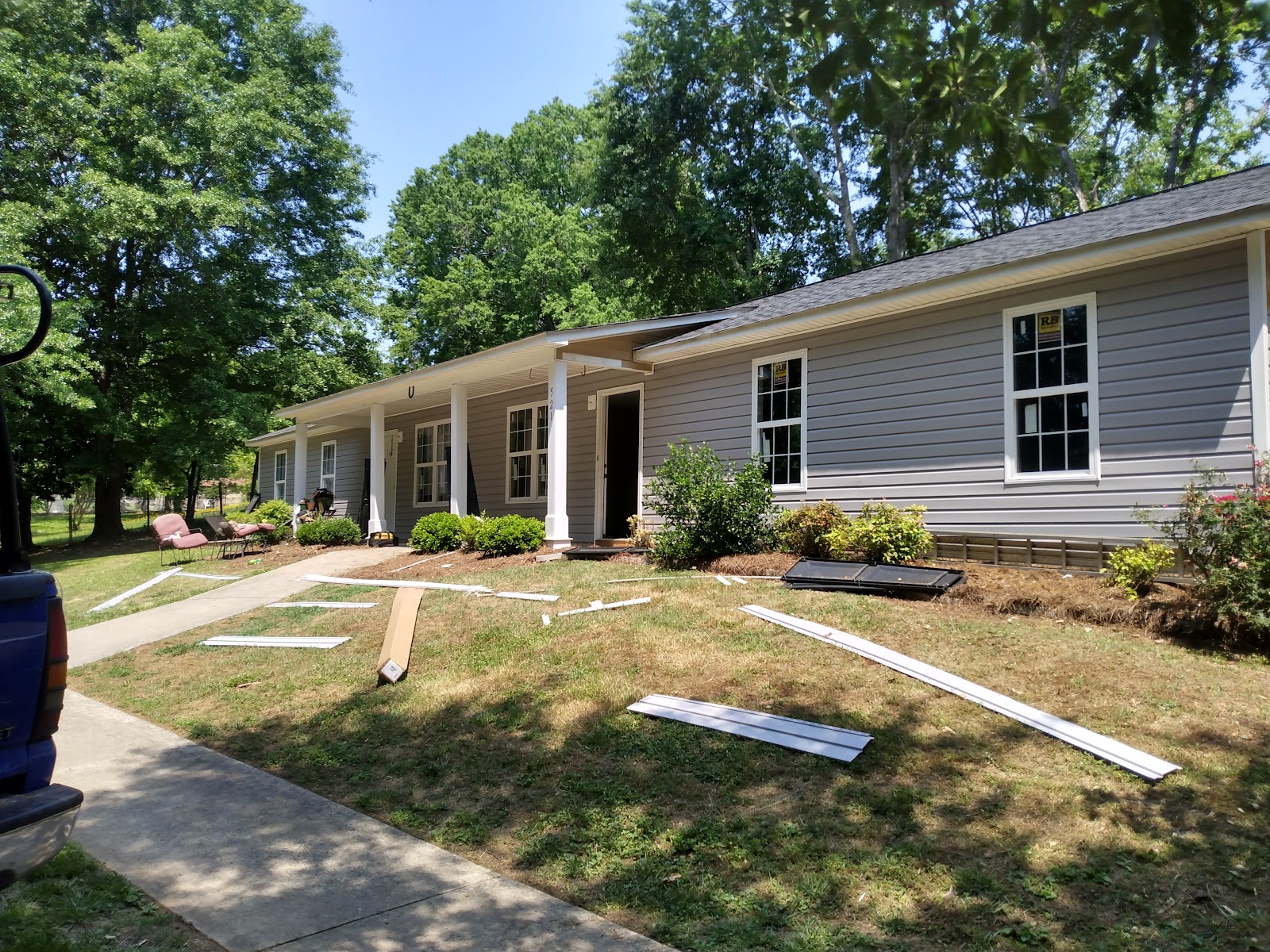
A full roof replacement is the one chance to renew every piece of flashing at once, and reusing old flashing under new shingles is a false economy worth asking about directly at estimate time. Roof repair and inspections are listed services at JW Roofing & Associates, and a flashing-first inspection, chimney to valleys to boots, answers most leak questions in a single visit.
Keep the leak's diary while you wait for the repair. Note the date, the rain's direction and intensity, and whether the stain grew. Two or three dated entries like that tell a roofer more about a joint than an hour of guessing on a dry day, and they confirm afterward whether the repair actually closed the case.
Common questions
Why does my roof only leak in heavy, wind-driven rain?
Wind pushes water uphill and sideways into joints that shed a straight-down rain fine. That pattern points strongly at flashing, especially around chimneys and walls.
Can flashing be replaced without a new roof?
Yes. Individual boots, valley sections, and chimney flashing can be rebuilt into an otherwise sound roof by lifting and resetting the surrounding shingles.
How long should flashing last?
Metal flashing can outlast the shingles around it. The rubber collars on vent boots are the short-lived exception, commonly cracking within the life of the first roof.
Photos in this guide are representative stock images.
← All guides from JW Roofing & Associates← Back to JW Roofing & Associates