Choosing a shingle color for the first time surprises most Gastonia homeowners. The sample board at the supply house shows a two-inch square. Your roof is the largest single surface of your house, visible from the whole street, and it will wear that color for decades. A choice that looks quiet on a sample can read bold on a full roof in full sun.
Color also does a small amount of real work. Shingle shade affects attic heat, how much a roof shows dirt and algae streaking, and whether it sits comfortably inside the palette your neighborhood expects. Walking through the choice in order keeps it manageable.
Heat: the honest size of the effect
Dark shingles absorb more solar heat than light ones, and on a July afternoon in the Piedmont a dark roof surface runs measurably hotter than a light one. That heat matters most to the shingles themselves and to the attic below. Some modern shingles use specially reflective granules, including in darker shades, which narrows the gap between a dark and a light roof more than color alone would suggest.
For the rooms below, insulation and ventilation do more than color does. A well-ventilated, well-insulated attic under a dark roof will usually outperform a poorly ventilated attic under a pale one. Treat color as a secondary heat decision: worth weighing if your attic already runs hot, not a reason to pick a color you dislike looking at every day.
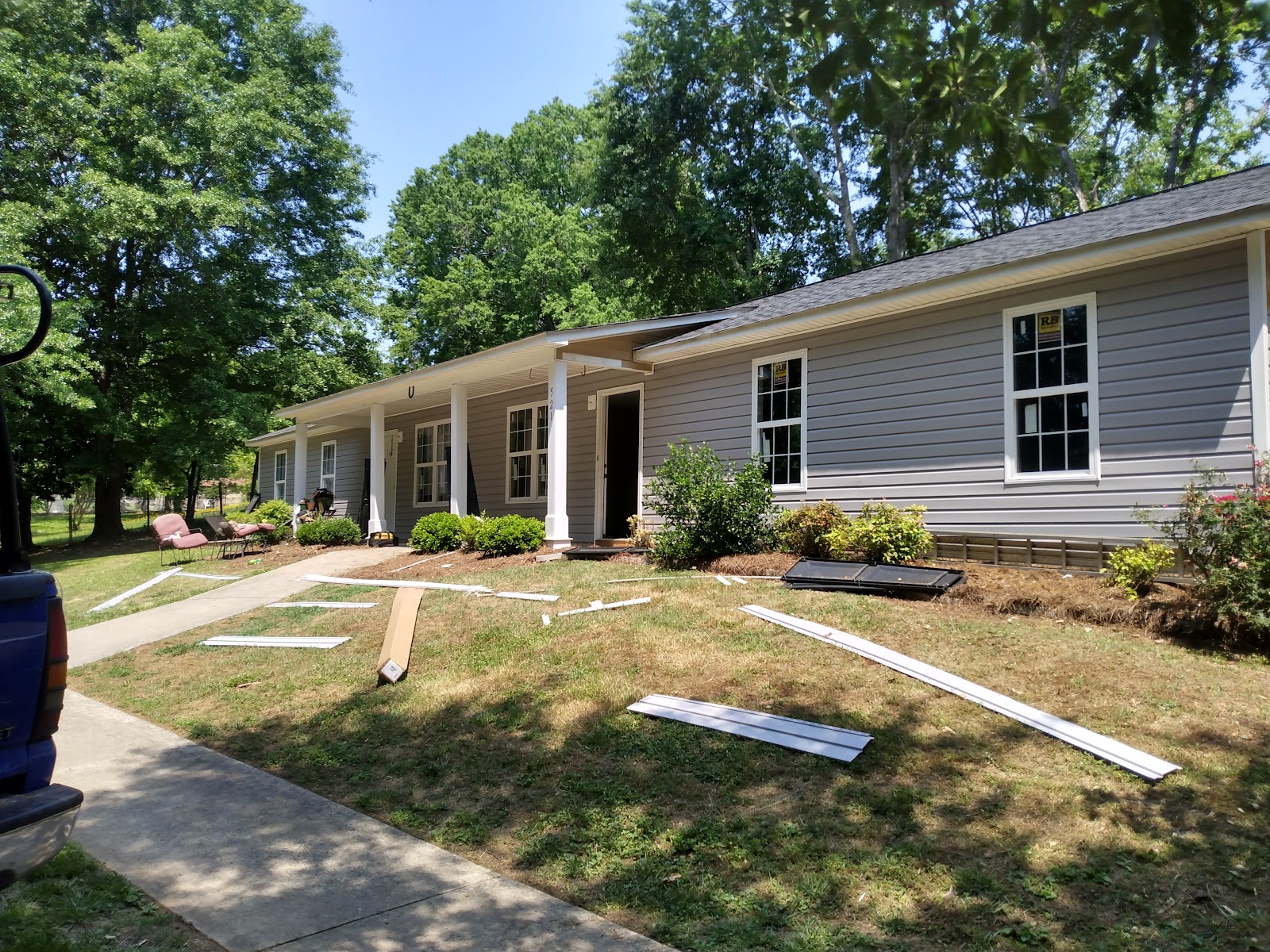
- Start with your fixed colors. Brick, stone, and siding you are not replacing set the palette. List their undertones first; the roof has to live with them, not the other way around.
- Match undertone, not just color. Warm brick and warm siding take warm-weathered browns and warm grays. Cool gray siding and white trim take cooler charcoals and slates. A clash of undertones is what makes a new roof look off without anyone able to say why.
- Check the neighborhood range. Many homeowner associations keep an approved palette, and even without one, a roof far outside the street's range draws the wrong kind of attention. Drive the street and note what works.
- Look at full shingles, not chips. Judge from a full shingle or a bundle end, and better still, drive past a house wearing your finalist color. Granule blends read differently at distance, often lighter and softer than the sample.
- View it at midday and late day. Piedmont sun is strong and slightly warm. A color that looks right at noon in July is the honest test, since that is the light the roof lives in most.
- Weigh streak visibility. On shaded, tree-covered lots, dark algae streaking shows most on light shingles. In those settings a mid-tone or darker blend, or a shingle with algae-resistant granules, hides the pattern longer.
- Sleep on the finalist. This choice stays on the house longer than the car in the driveway. If two colors are close, pick the calmer one; roofs reward restraint at full scale.
Granules do more than color
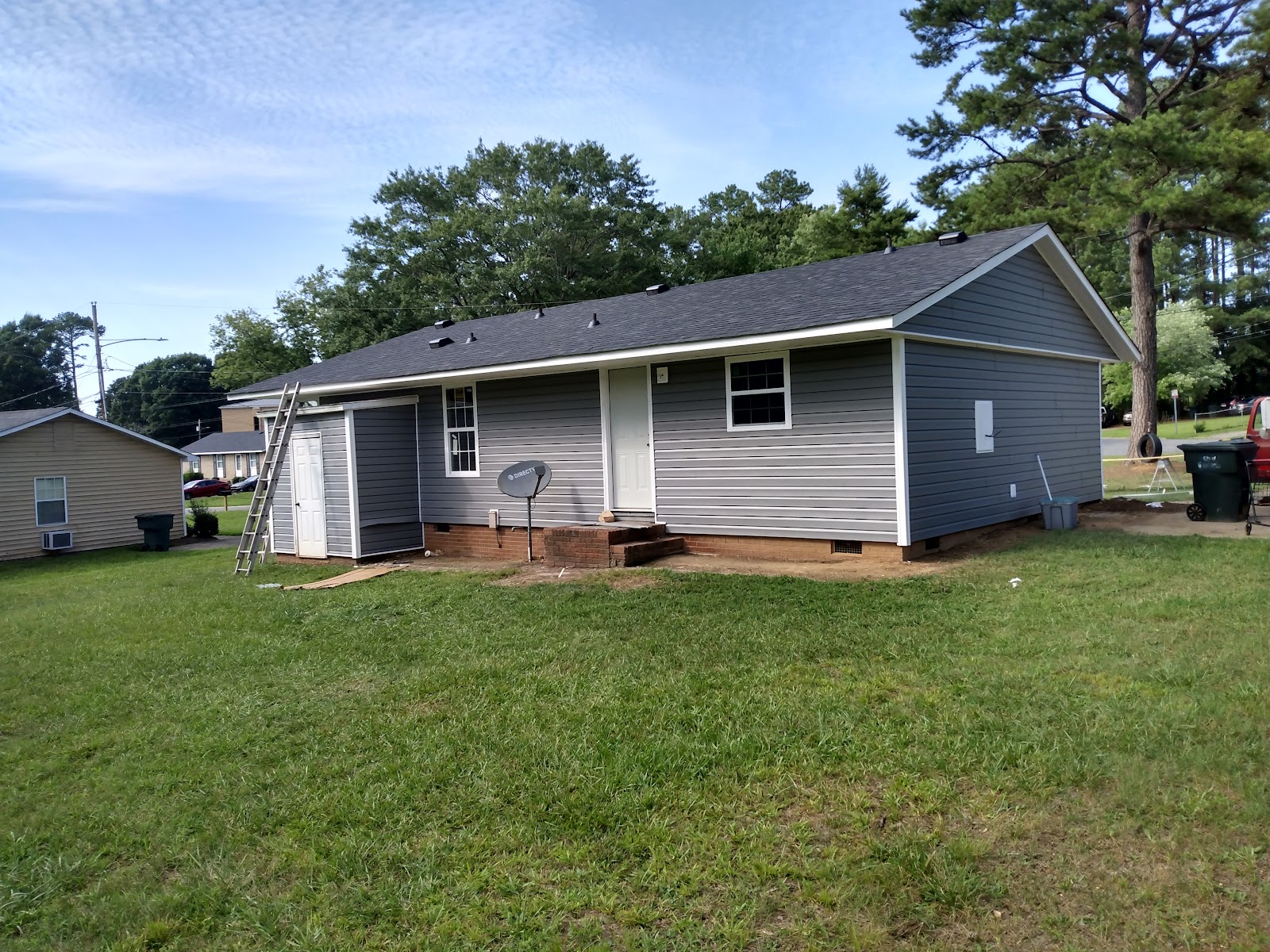
The granule blend is also where texture comes from. Architectural shingles layer granules of varied tones, which is what gives them their dimensional, shadowed look compared with flat three-tab shingles. A blended colorway forgives a lot: it hides minor staining, reads consistently in changing light, and suits both brick and siding. Solid, uniform colors look sharper and more modern on the right house and show every streak and patch of pollen dust on the wrong one, which in a Gastonia spring is a real consideration.
Bringing it to the estimate
Roof replacement is a listed service at JW Roofing & Associates, and the color conversation belongs in that visit, with samples against your own siding in your own light. Ask which colors the crew installs most in your area and which blends carry algae resistance. Their answers, plus a drive past a finished house, will settle a decision that a sample board never quite can.
Common questions
Will a light roof really lower my cooling bills?
By a small amount, in most houses. Attic ventilation and insulation have a much larger effect, so treat any energy gain from color as a bonus, not the reason for the choice.
What is the most forgiving shingle color?
A mid-tone blended architectural shingle, weathered gray or weathered wood tones, tends to hide streaking, dust, and minor variation better than very light or solid dark colors.
Can I change roof color if my HOA has a palette?
Stay inside the approved palette or get written approval first. Repainting a roof is not an option, so the approval needs to happen before installation, not after.
Photos in this guide are representative stock images.
← All guides from JW Roofing & Associates← Back to JW Roofing & Associates