After a storm in Gastonia, the roof damage claim that goes smoothly is usually the one with the best paper trail, not the most damage. Dates, photos, and the order in which calls were made decide how quickly an insurer can say yes. Most of that work is yours to do from the ground, in the first day or two, before any repair covers the evidence.
None of this requires climbing on the roof. In fact, the how-to here has a firm line through it: document from the ground and from inside the attic, and let a roofer do the close inspection. A wet, storm-damaged roof is no place for a homeowner with a phone camera.
What a claim file needs to show
An adjuster is building a simple story from your file: a storm happened on a date, it damaged this roof in these ways, and the damage was not there before. Every document either supports that story or leaves a gap in it. Dated weather reports for your area, your own timestamped photos, and any prior photos of the house, even listing photos or a snapshot from a yard project, all help establish the before and after.
Inside damage counts as evidence too. A ceiling stain, a drip caught in a pot, and attic photos of daylight or wet decking around a damaged area tie the roof event to a real loss. Photograph those on the day you find them, and keep anything you remove, such as a fallen shingle from the yard, until the adjuster has seen the file.
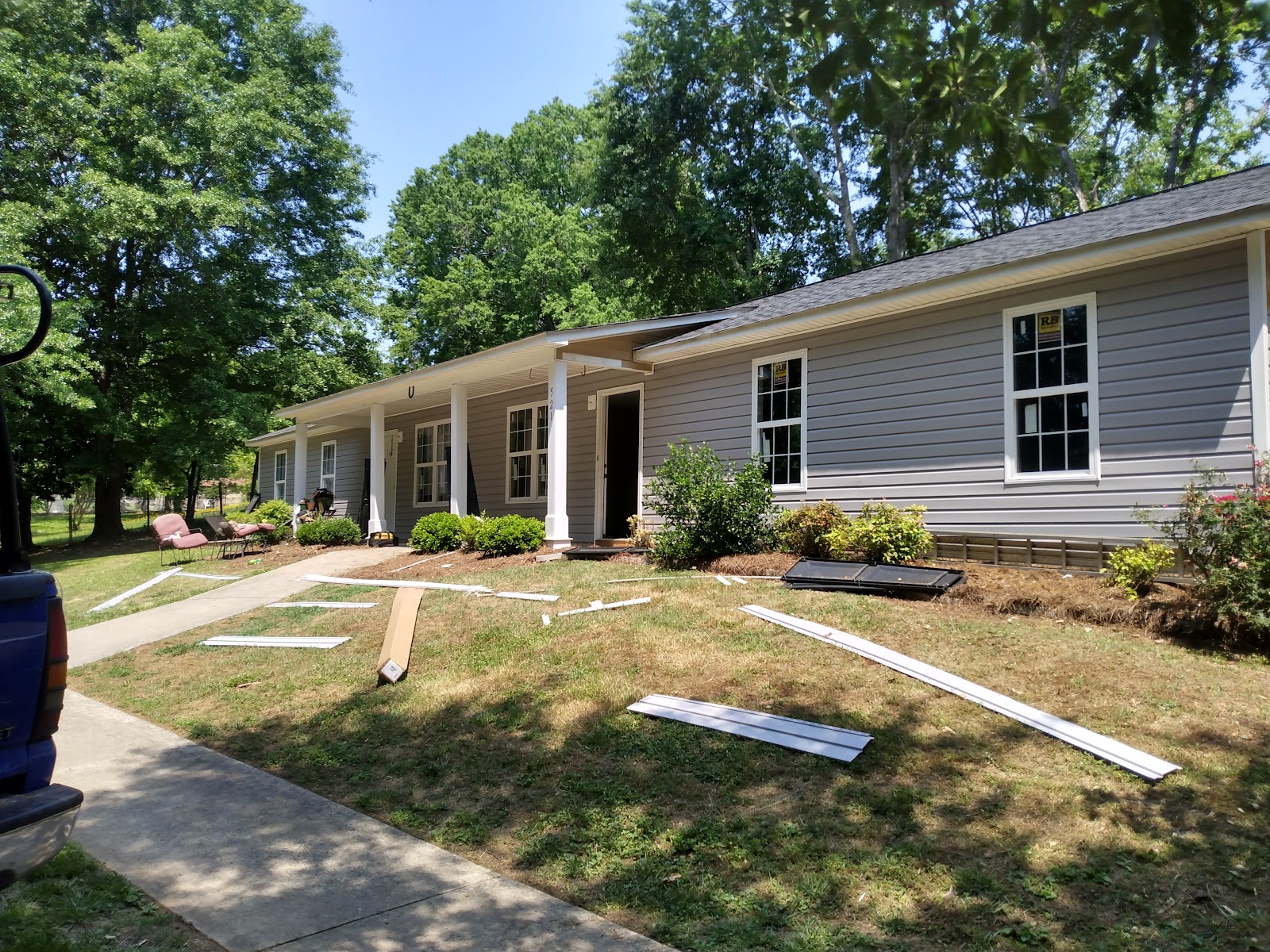
- Photograph from the ground first. Walk the property and shoot every slope you can see, plus shingles, flashing pieces, and debris in the yard. Wide shots show context; close shots of the debris show what came off.
- Record the date and the storm. Save a dated local weather report or news account of the storm. Claims are tied to a specific event date, and your memory of which storm it was will blur faster than you expect.
- Check the attic in daylight. Look for wet decking, drips, and light showing where it should not. Photograph what you find with the flash on and note which room sits below each spot.
- Stop active water, keep the evidence. A tarp or a bucket protects the house and is expected of you. Photograph the damage before covering it, and keep receipts for anything you buy to do it.
- Call the insurer and open the claim. Report the event date and the general damage. You do not need a full diagnosis to open a claim, and waiting for one can run against reporting windows.
- Get a roofer's inspection in writing. A professional inspection with photos from the roof itself, marked damage, and a written summary is the core document an adjuster compares against their own visit.
- Be present for the adjuster visit. Having your roofer there at the same time means damaged areas get pointed out on the spot rather than argued about later from two sets of photos.
What not to do before the adjuster
Do not authorize a full repair or replacement before the claim process has seen the roof, beyond emergency work to stop water. Completed repairs erase the evidence the claim depends on. Do not throw away torn shingles, bent flashing, or the branch that did the damage until the file is closed. And be cautious with anyone who knocks on the door after a storm offering to handle everything in exchange for signing your claim over to them; a local roofer who documents, estimates, and lets you stay the decision-maker is the safer pattern.
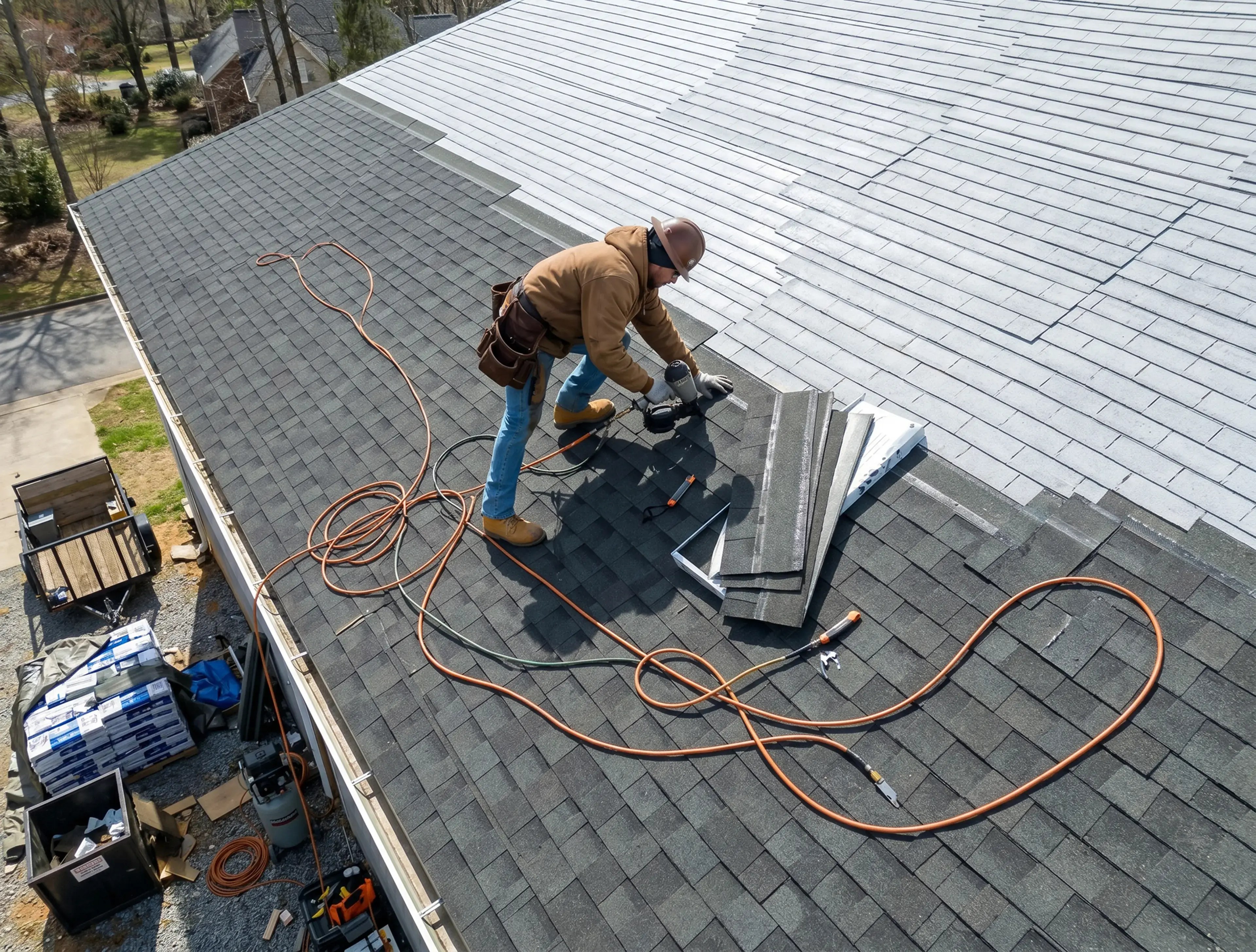
Setting up the professional half
Roof inspections and maintenance, roof repair, and gutter services are among the services listed by JW Roofing & Associates. Ask for the inspection findings in writing with photos, whether or not a claim follows. That document serves you twice: once with the insurer, and once as a dated record of your roof's condition for the next storm that rolls through Gaston County.
Common questions
How soon after a storm should I file?
Promptly. Policies set reporting expectations and storm dates get harder to prove with time, so open the claim within days and let documentation follow.
Can I document the roof myself from a ladder?
Ground and attic photos are your job; the roof surface is not, especially when wet or damaged. Let the roofer's inspection supply the close-up evidence.
What if the adjuster finds less damage than my roofer did?
Files can be supplemented and re-inspected with your roofer's photos and written findings in hand. A complete, dated record is what makes that second look productive.
← All guides from JW Roofing & Associates← Back to JW Roofing & Associates